When it comes to camping, choosing the right tent can make or break your experience. With so many options out there, it's easy to feel overwhelmed. But don’t worry! Here’s a quick breakdown of the most popular tent types to help you find the perfect fit for your next outdoor adventure.
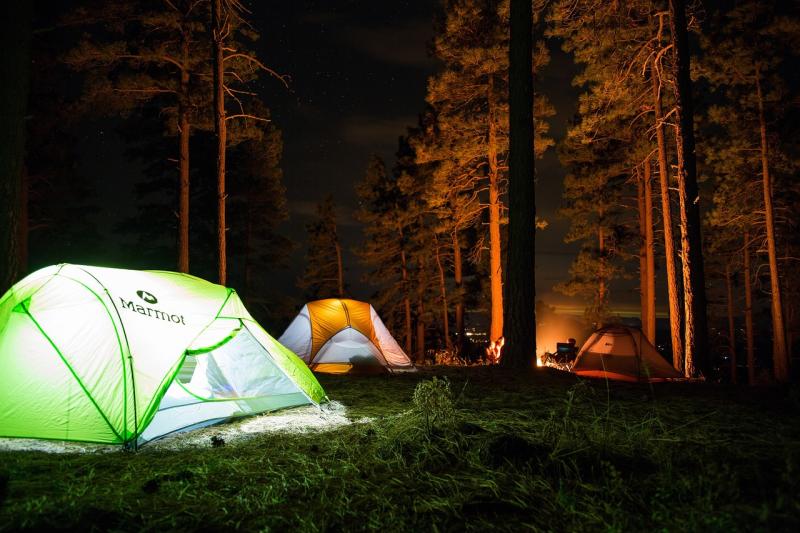
Dome Tents: These are among the most common tents and for good reason! Their rounded shape helps them withstand wind and rain like a champ. Most dome tents are pretty easy to set up, making them a great choice for families or anyone who doesn't want to fuss around for too long. Plus, they come in a variety of sizes, so whether you’re hiking solo or camping with a group, you’ll find one that works.
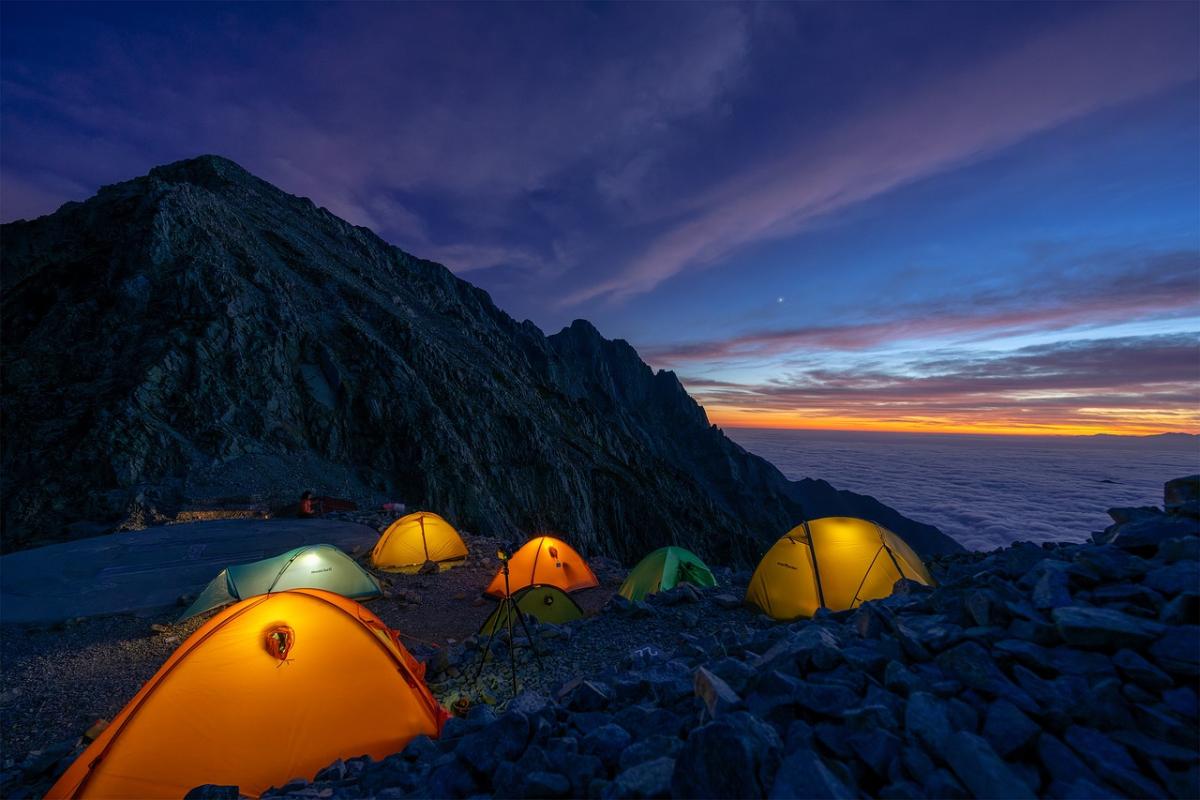
Backpacking Tents: If you're hitting the trails, a backpacking tent should be on your checklist. These tents are lightweight and compact, designed for easy packing and quick setups. They usually hold just one or two people and focus on minimalism. Look for features like waterproof materials and good ventilation to keep you comfortable and dry during your trek.
Pop-Up Tents: Want a tent that sets up in seconds? Pop-up tents are your best friend! As soon as you pull them out of the bag, they spring into shape. They're perfect for casual campers who don’t need a lot of features and just want a simple shelter for weekend trips. Just remember, while they’re super easy to set up, they may not hold up as well in tough weather.
Four-Season Tents: If winter camping is your jam or you plan to tackle extreme conditions, a four-season tent is essential. These tents are built to handle snow, strong winds, and cold temperatures. They’re sturdier than three-season tents and offer extra insulation. Keep in mind, they can be heavier and cost a bit more, but they're worth it for serious outdoor enthusiasts.
Size Matters When Choosing a Tent
When it comes to picking a tent, size truly matters. You want enough space to spread out and get comfy, especially if you’re camping with friends or family. A cramped tent can turn a fun trip into a restless night. Think about how many people will be sleeping in your tent. Look for a tent labeled to accommodate that number, but be smart—go for a model that gives you a little extra room. No one wants to be jammed into a tiny space.
Consider the gear you’ll need to store inside as well. If you’re bringing sleeping bags, air mattresses, and other gear, you’ll want a tent that can handle it all without feeling like a sardine can. Tents tend to come in different sizes, like 2-person, 4-person, or even larger family options. The bigger the tent, the heavier it will be to carry, though, so keep that in mind when you’re deciding.
Another important detail is tent height. If you want to stand up while getting dressed or moving around, check out options with a higher peak height. Some tents even have vertical walls, which give you that cozy, roomy feeling. Kids especially love this—there’s nothing like a little space to stretch and play.
Lastly, think about the seasons. A summer tent might be lighter and designed to fit a few people, while a winter tent usually needs extra space to keep you warm. Make sure to pick a tent that matches the kind of camping you plan to do. Having the right size for your needs will make your trip much more enjoyable.
Essential Features to Look For
When you’re on the hunt for the perfect tent, there are a few key features you should pay close attention to. Let’s break them down so you can snag something that really fits your camping style.
Size Matters: First off, think about how many people will be camping with you. Tents come in all sizes, from cozy two-person setups to massive family tents. A good rule of thumb is to get a tent that's a little bigger than you need. Nobody likes feeling squished after a long day of hiking!
Weather Resistance: Your tent should stand tall against the elements. Look for features like waterproof materials and a sturdy rainfly. A tent with a good rain rating keeps you dry during unexpected downpours. Check for quality zippers and sealed seams, too. They really make a difference in keeping moisture out.
Ventilation: Let’s not forget about airflow. A tent with mesh panels helps keep the inside fresh and prevents condensation buildup. Good ventilation keeps you comfy and helps reduce the chances of waking up in a stuffy, sweaty tent.
Easy Setup: Nobody wants to battle with their tent after a long drive. Look for tents that come with clear instructions and color-coded poles for a quick setup. Pop-up tents can be a game changer if you’re after something super user-friendly. Spend less time figuring out your tent and more time enjoying the great outdoors!
Tips for Easy Tent Setup
Setting up your tent doesn’t have to feel like rocket science. With a few handy tips, you can make the process smooth and stress-free.
First, choose a flat, dry spot to pitch your tent. Look for a level area away from rocks and roots. This will keep you comfy and avoid poking through the bottom of your tent. If you can, pick a spot that's slightly elevated. This helps with drainage if it rains.
Before you start setting everything up, lay out all your tent parts. Check that you have everything you need, including the tent body, rainfly, poles, and stakes. Familiarizing yourself with your tent's layout can save you a lot of frustration down the line.
When you're ready to set up, start with the poles. Slide them into the sleeves or clips on the tent body. If it’s a hub style tent with color-coded poles, you can’t mess this part up. Keep it as simple as that!
Lastly, take your time with the stakes. Secure the tent by anchoring it down. This is especially important if it’s windy. A few extra seconds putting in the stakes can keep your tent standing strong all night long.